How Retained Reflexes Can Affect Learning and Behaviour
Primitive reflexes are automatic movements babies are born with to help them survive and grow. Think of them as the earliest physical foundations that help the brain and body start to communicate.
As children grow, these reflexes mature so that more complex skills can take over. If primitive reflexes remain active, they can make simple tasks like balance, sitting still, focusing, or staying calm feel like much harder work than they should be.


Sitting Still and Posture
It can feel like hard work to sit upright or keep still, often leading to slouching, leaning over the desk or fidgeting as the body tries to find balance.

Handwriting and Coordination
Tasks like writing, using scissors, or playing sport can feel more difficult than they should be when foundational movement patterns are still active.

Focus, Reading and School Work

Emotions, Confidence and Anxiety
When the nervous system feels continuously 'on alert', a person might feel easily overwhelmed, prone to anxiety, or sensitive to their surroundings.
What a Reflex Integration Programme Typically Looks Like
A Reflex Assessment is a thorough and gentle look at how your child’s nervous system is currently supporting them. I start with a detailed history to understand their early years. This takes place online or in person without the child present.
This is followed by simple movement and balance checks with the child that measure reflex maturity.
Physical assessment typically last up to 2 hours. The clients first exercise will be provided which will be repeated daily at home. Exercises typically take 5 min.
Regular reviews are held every 8 weeks to review progress and change exercises where necessary. Reviews take up to 1 hour.
A typical programme will last 9-12 months.
Who Is INPP Suitable For?
Support for Children & Teens
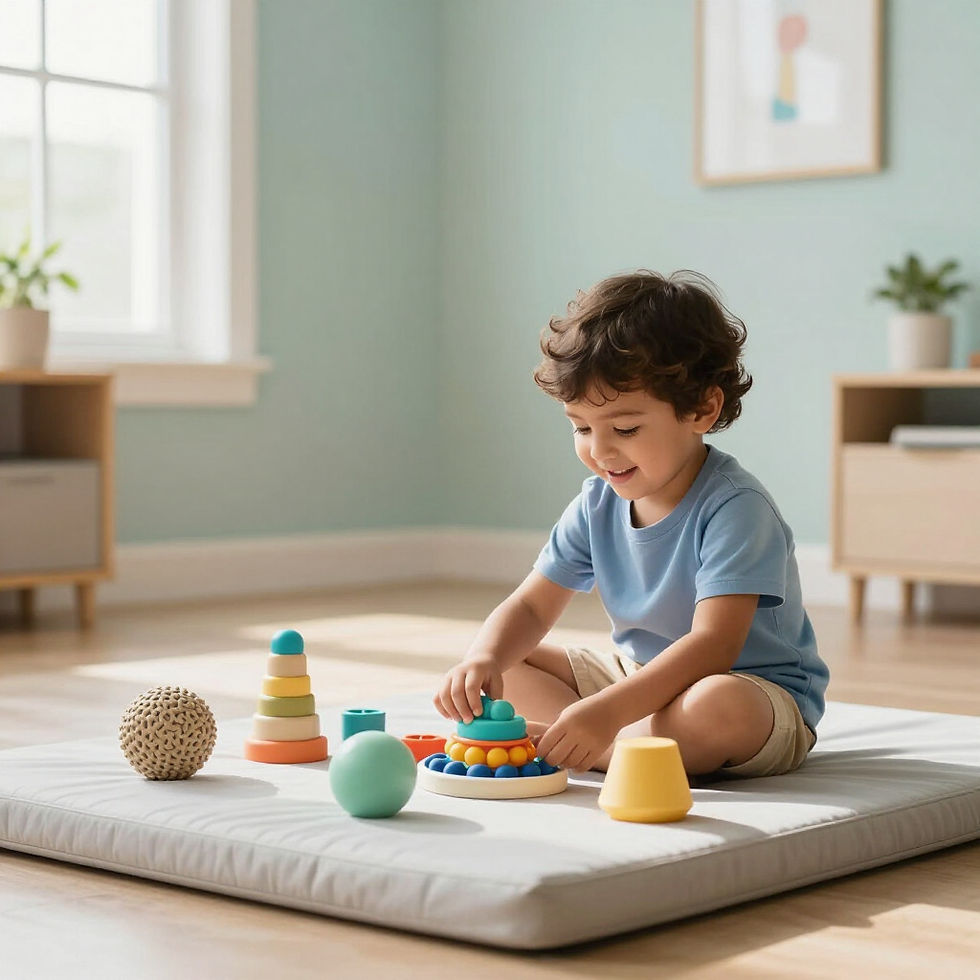
The INPP method is a gentle, movement‑based approach for children and teens (age 7 and up) whose learning, behaviour or coordination may be affected by retained primitive reflexes. It can help many with diagnoses such as dyslexia, dyspraxia or ADHD, but a formal diagnosis isn’t required. By supporting nervous system maturity, everyday tasks like sitting still, concentrating, reading and writing can feel more natural and less effortful.
Empowering Adults & Caregivers
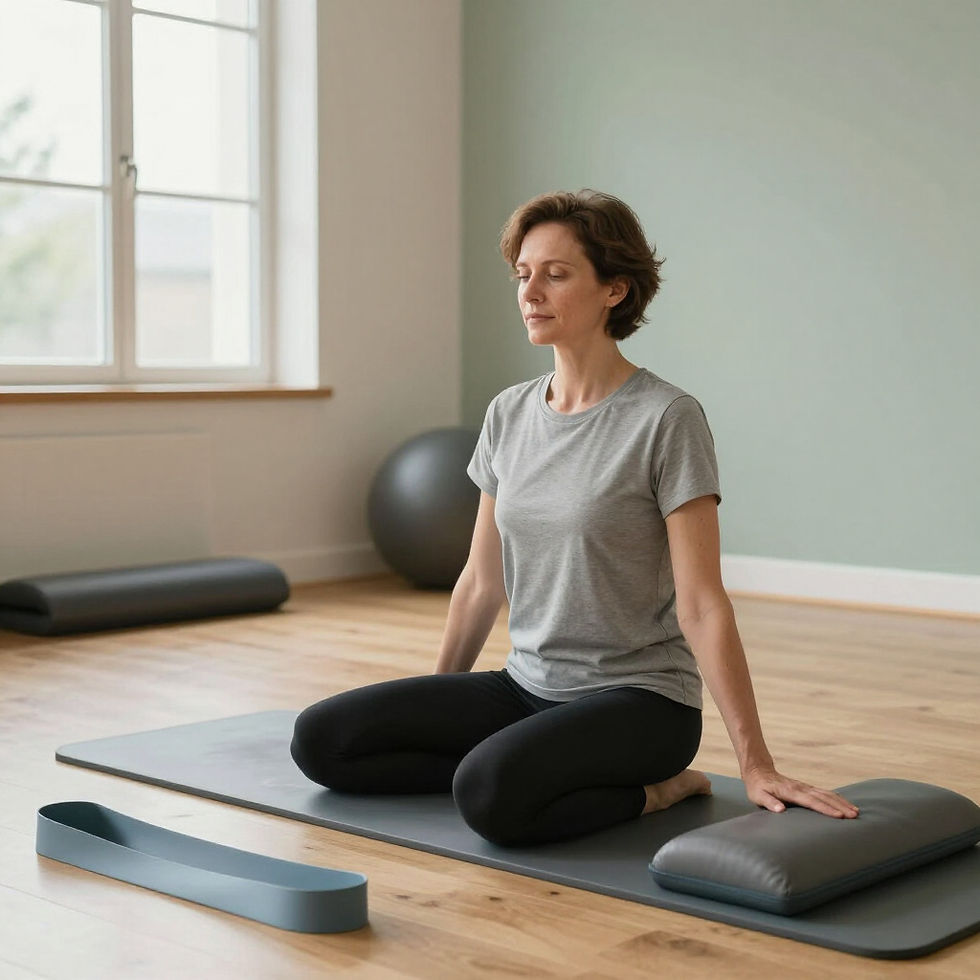
It is never too late to support your nervous system. Many adults find that persistent physical clumsiness or sensory sensitivities are linked to early reflexes that didn't fully integrate. This approach is suitable for anyone who feels easily overwhelmed, struggles to sit upright effortlessly, or finds it hard to concentrate. A gentle assessment will help us decide together if INPP is the right fit for your needs.
Want to Learn if INPP Could Help?
If you're curious about how our movement-based approach could support your child's growth or your own journey, we're here to help. Feel free to get in touch or book a free diccovery call to explore if our gentle program is the right fit, with no pressure or obligation.